The Watercooler - a selection of recent pre-clinical and clinical trials in neurodegenerative diseases
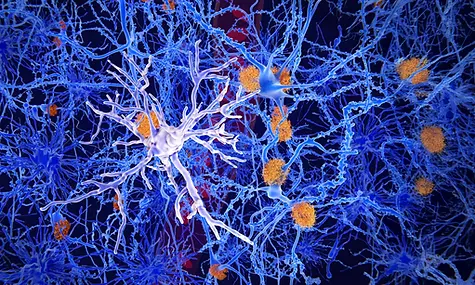
Researchers have identified special immune cells in the brain that help slow Alzheimer's
By The Mount Sinai Hospital/Mount Sinai School of Medicine
(Shutterstock)
8 November 2025
(Pre-Clinical Study)
As Parkinson's Disease progresses, harmful proteins clumps build up in the brain, blocking communiations between neurons and killing them off - but what if we could prevent these clusters from forming?
By David Nield
(Pre-Clinical Study)

(Lars Neumann/iStock/Getty Images Plus)
17 October 2025
Researches have suspected the link between our gut and brain plays a role in the onset of Parkinson's disease
By Tessa Koumoundouros

(nanoclustering/Science Photo Library/Getty Images)
(Pre-Clinical Study)
25 November 2025
Growing evidene suggests the key to treating Alzheimer's is catching it in its earliest stages.
By David Nield
(Pre-Clinical Study)

(Juan Gaetner/Science Photo Library/Getty Images)
23 December 2025

(Mehau Kulyk/Science Photo Library/Getty Images)
(Pre-Clinical Study)
29 June 2025
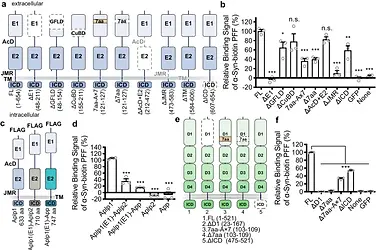
Scientists have uncovered a surprising protein partnership that may act as the gateway for Parkinson’s to spread between brain cells. Disrupting this link could open new paths to halting neurodegeneration.
By Xiaobo Mao
(Pre-Clinical Study)
29 June 2025
(Clinical Phase I Study)
ARV-102 shows strong brain penetration, broad LRRK2 degradation, and good tolerability in healthy volunteers—supporting its advance into Phase 1 trials for Parkinson’s disease.
Written by Arvinas, Inc. Featuring commentary from Dr. Noah Berkowitz
April 4, 2025
Scientists have identified a type of neural stem cell (pNSC) that exists outside the brain and spinal cord, this opens possibilities for development of therapies for neurodegenerative diseases.
Research by Dong Han et al., published in Nature Cell Biology (2025).
(Pre-Clinical Study)

The discovery of pNSCs outside the CNS suggests a previously unrecognised level of cellular plasticity within the nervous system. Credit: Neuroscience News
April 11, 2025
Understanding Clinical Study Phases:
Each phase of a clinical study helps de‑risk a therapy by building evidence of safety, effectiveness, and real‑world benefit. As a therapy progresses, confidence, and the likelihood of funding increases.
-
Pre Clinical: Laboratory and animal studies assess basic safety, mechanism of action, and early signs of effectiveness before testing in humans.
-
Phase I: Small group of volunteers. Focus: safety, dosage, and tolerability.
-
Phase II: Larger group of patients. Focus: early effectiveness, optimal dosing, and continued safety.
-
Phase III: Hundreds to thousands of patients. Confirms effectiveness, monitors rare side effects, and provides the data needed for regulatory approval.